Category: Latest News
-
Uncovering Nearly 50 Years of Advocacy
Friends of the San Juans’ new Document Archivist has spent months organizing decades of legal and environmental records, uncovering stories of landmark victories and deep community involvement. From land‑use planning wins to legal challenges over sonar permits and habitat protection, this history highlights nearly 50 years of advocacy by members and partners to safeguard the…
-

The Latest on Comp Plan Commenting
Friends of the San Juans highlights why community input matters for the San Juan County Comprehensive Plan update — from protecting shorelines, water, and forests to ensuring resilience, responsible growth, and quality of life for islanders — and offers ways to comment and shape the future of island planning.
-
Introducing Kirsten Kane, Friends’ New Salish Sea Strategy and Engagement Manager
Friends of the San Juans welcomes Dr. Kirsten Kane as its new Salish Sea Strategy and Engagement Manager. With a Ph.D. in ocean ecology and marine policy, Kirsten brings deep scientific expertise and community‑focused passion to support coalition building, public engagement, and evidence‑based advocacy to protect the health, biodiversity, and resilience of the Salish Sea. Her global…
-
Volunteer Spotlight: Elyse Woodruff
Meet Elyse Woodruff, a dedicated Friends of the San Juans volunteer whose passion for environmental education has helped amplify community understanding of eelgrass, forage fish, and shoreline ecology. From leading field programs to engaging neighbors in science and stewardship, Elyse’s commitment highlights the power of volunteer leadership in protecting island ecosystems and inspiring others to…
-
Friends of the San Juans Restores Critical Shoreline Habitat at Neck Point, Shaw Island
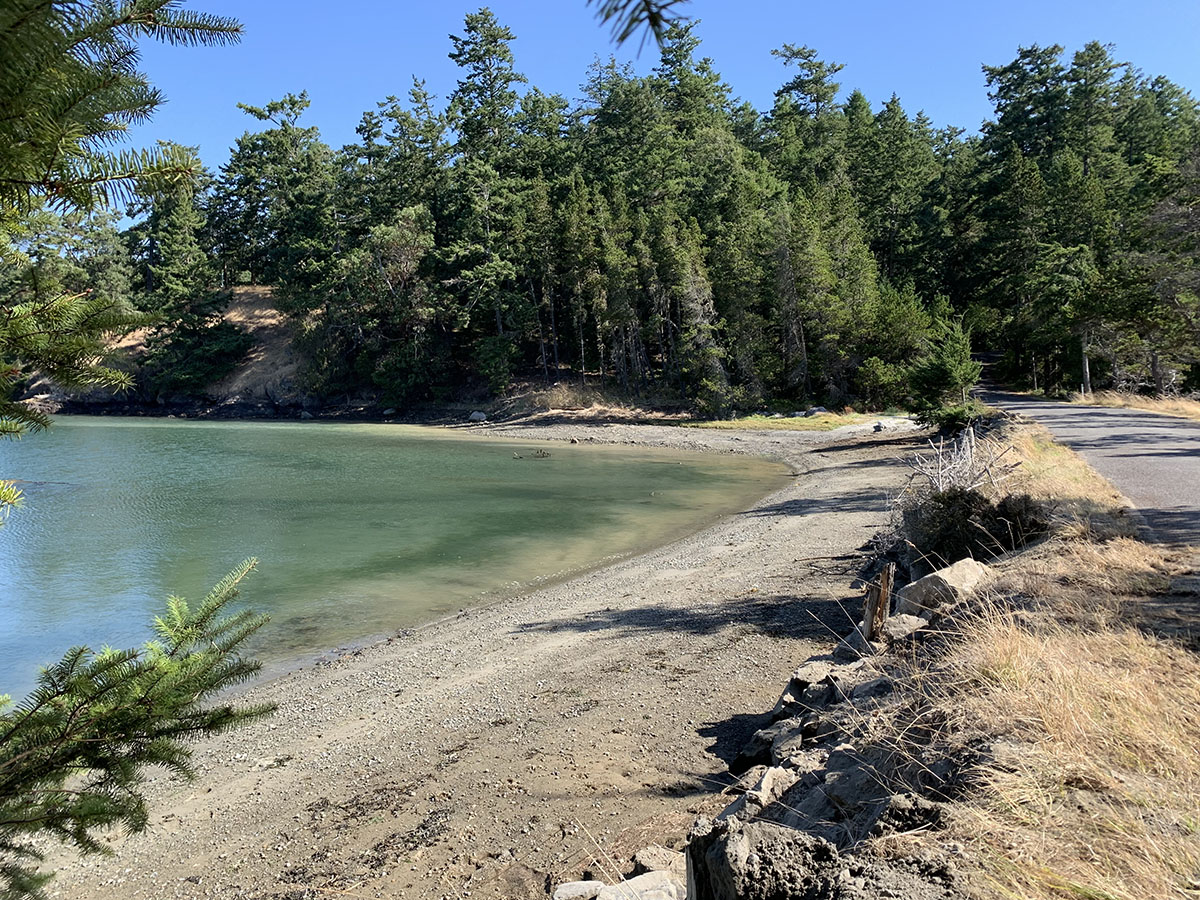
Friends of the San Juans completed a major shoreline restoration at Neck Point on Shaw Island, removing excess rock and bulkhead remnants to restore natural beach processes and critical spawning habitat for forage fish. This work reconnects sediment transport, supports salmon and marine food webs, and enhances coastal resilience, showcasing the power of science‑based restoration…
-
Honoring Veterans Who Protect the Salish Sea
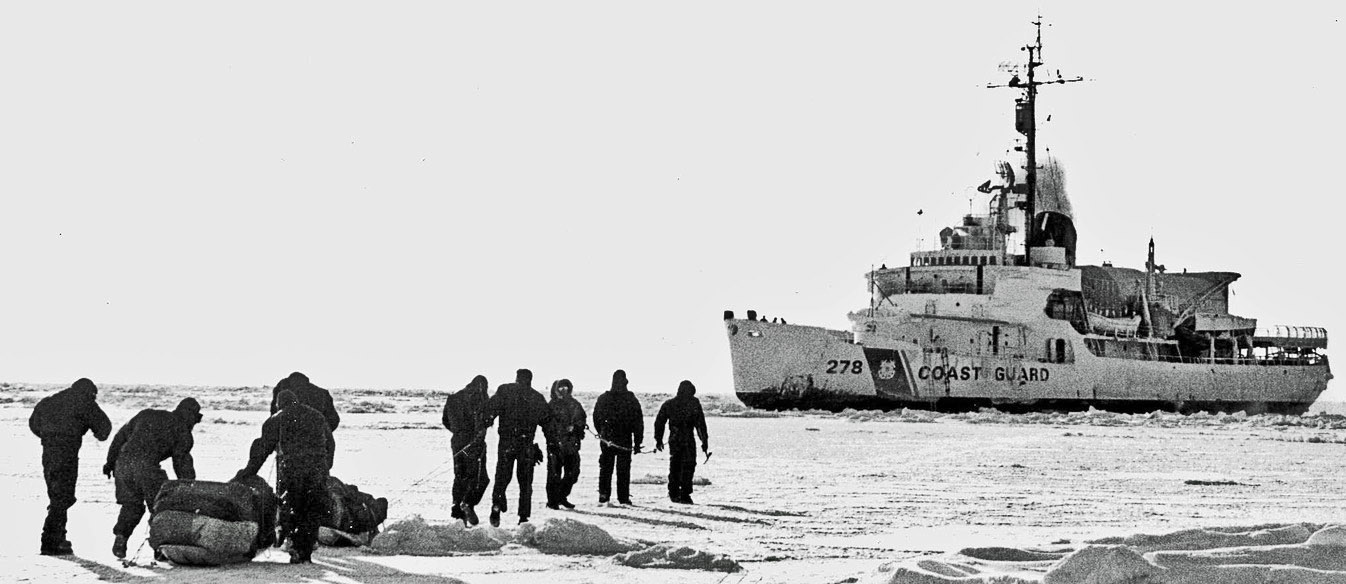
Friends of the San Juans honors local veterans who protect the Salish Sea — from service members safeguarding freedom to those channeling military skills into conservation and community service. Their dedication reflects deep commitment to environmental stewardship and shared responsibility for healthy waters, thriving wildlife, and resilient island communities.
-
Spirit of Water Event with Chenoa Egawa
Friends of the San Juans invites you to Spirit of Water—an evening of Indigenous song, ceremony, and teachings with Coast Salish artist, storyteller, and environmental protector Chenoa Egawa. Held in honor of Indigenous Peoples Day and Orca Recovery Month in Friday Harbor, this gathering centers ancestral wisdom about our shared responsibility to protect water and…
-
Protect San Juan Shorelines from Invasive European Green Crab
Friends of the San Juans leads efforts to protect San Juan Island shorelines from invasive European green crab, engaging volunteers in monitoring and trapping to safeguard native species and forage fish habitat.
-
From Moby Dick to Mega-Terminals: A Young Researcher’s Perspective on Shipping and the Salish Sea
In this thoughtful reflection, a young researcher connects the history of ocean exploration—from Moby-Dick to modern container shipping—to today’s realities in the Salish Sea. The piece explores how global trade, containerization, and proposed mega-terminals like Roberts Bank Terminal 2 shape environmental, political, and community impacts, urging readers to recognize the hidden costs of shipping and…
-
Restoring Shorelines, Reviving Ecosystems: A Look Ahead
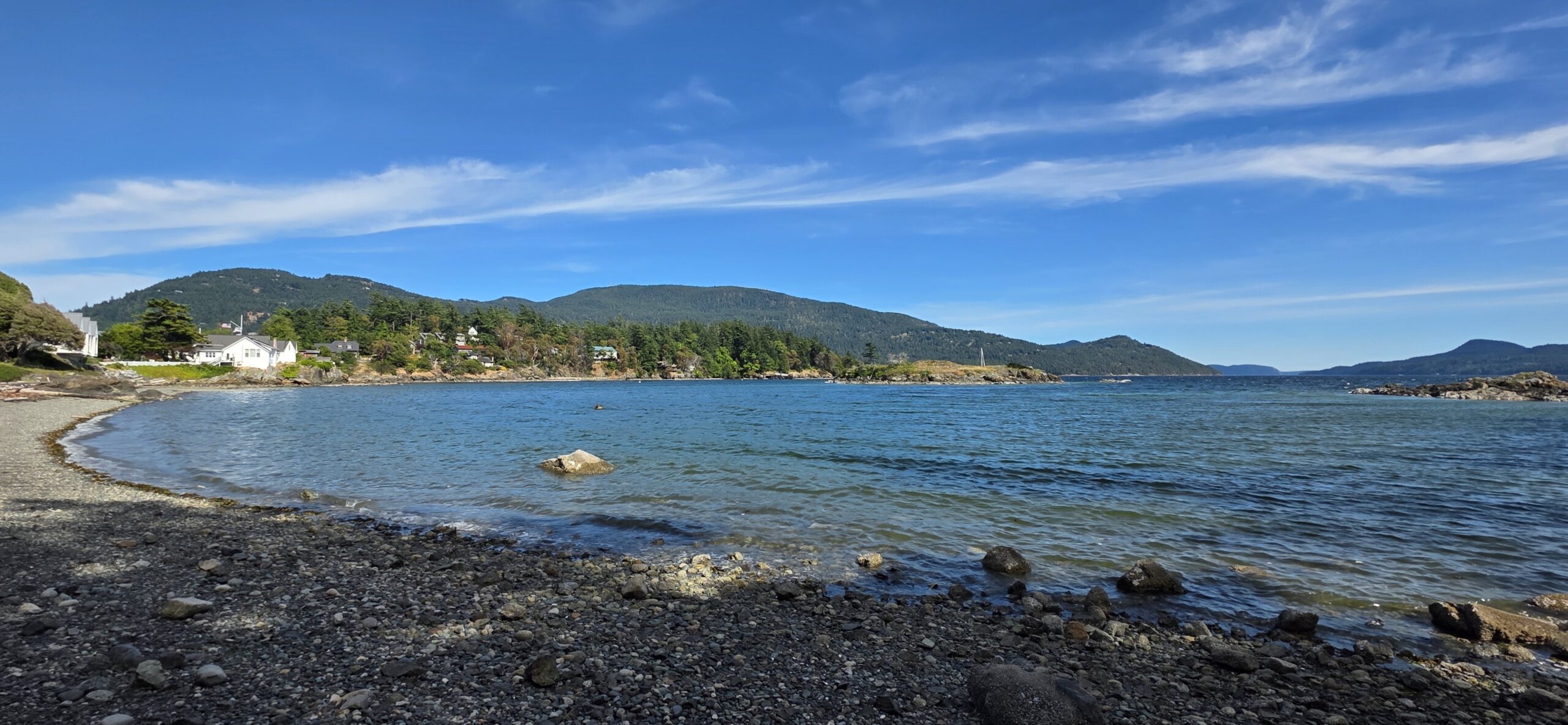
Friends of the San Juans is advancing shoreline restoration projects across the islands, from Shaw to Orcas, to revive natural coastal processes and strengthen ecosystem health. These science-driven efforts restore habitat for eelgrass, forage fish, salmon, and orcas while improving water quality, reducing hazards, and building climate resilience. Behind each project is years of planning,…