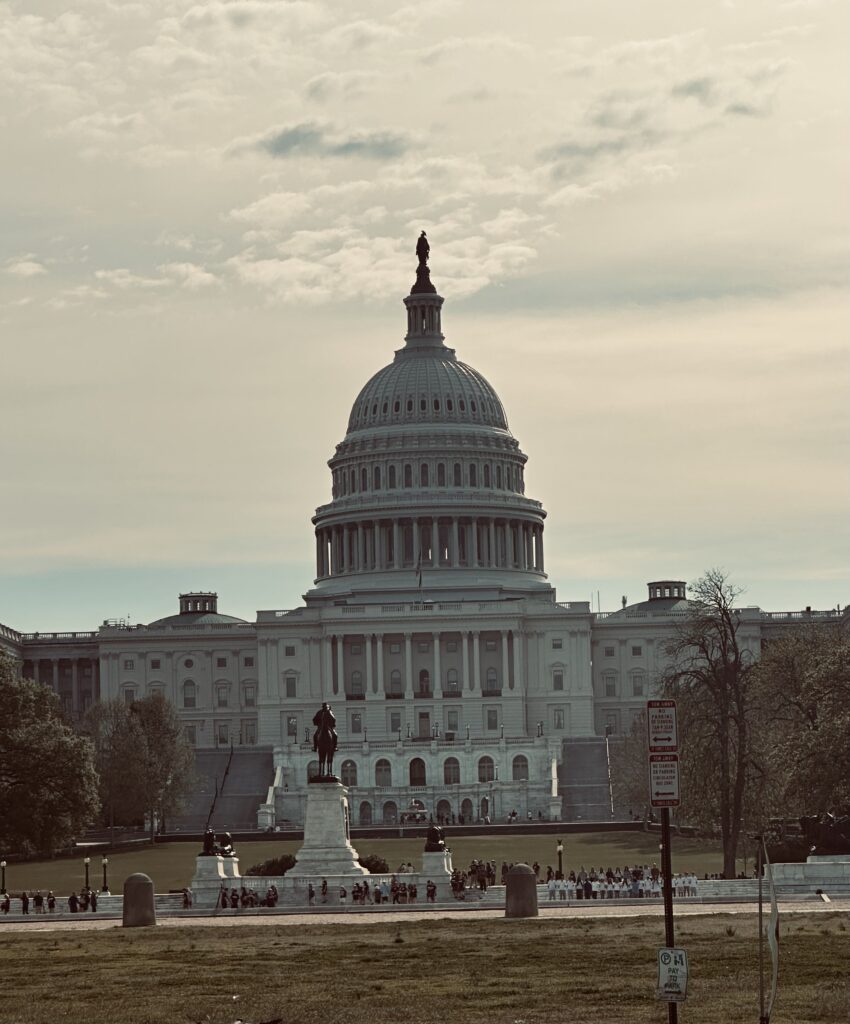
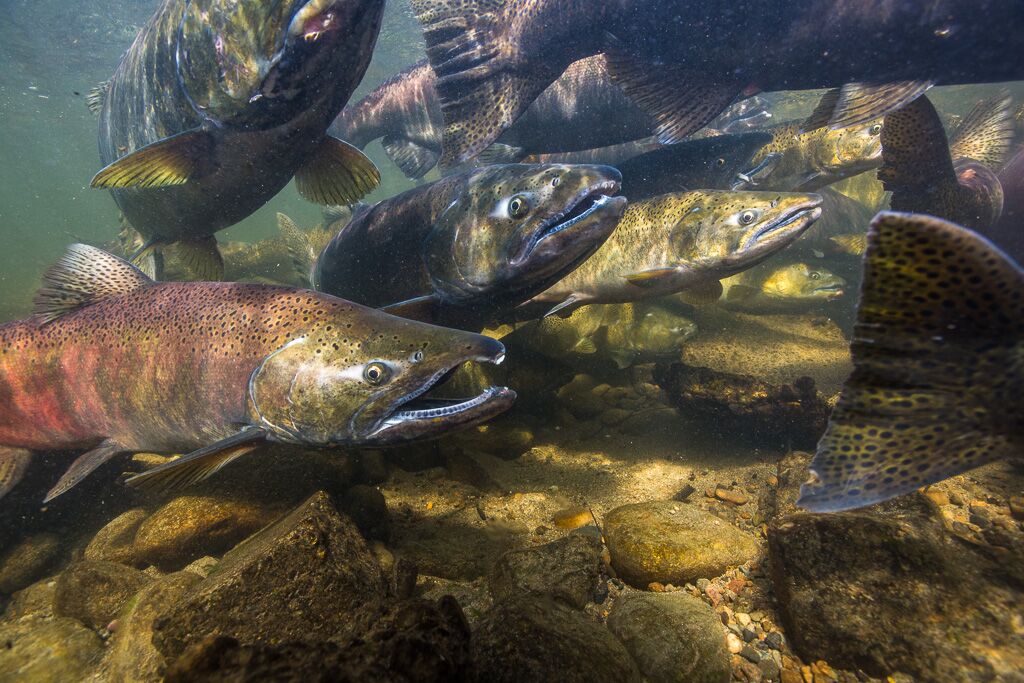
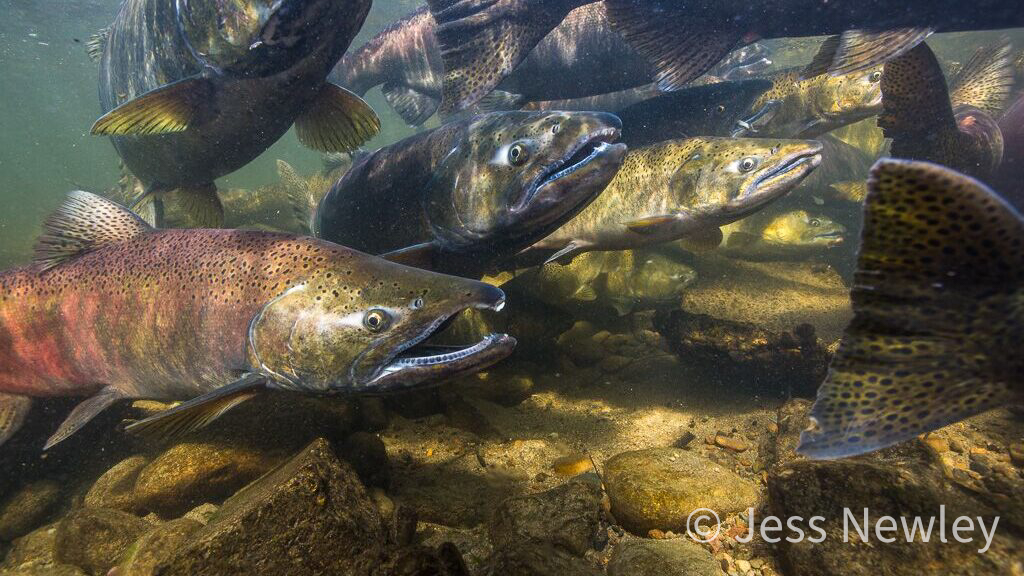
A new federal interpretation of “harm” under the Endangered Species Act could significantly change how endangered species and their habitats are protected in Washington State. Learn what the policy change means, which species may be affected, and why conservation organizations are raising concerns.
In a recent action alert email, we asked you to reach out to Canada’s Clerk of the Privy Council and Secretary to the Cabinet requesting that they maintain strong protections for endangered species, like the Southern Resident killer whales, under their Species at Risk Act (SARA) permitting pathway. Because of comments like yours, Canada has
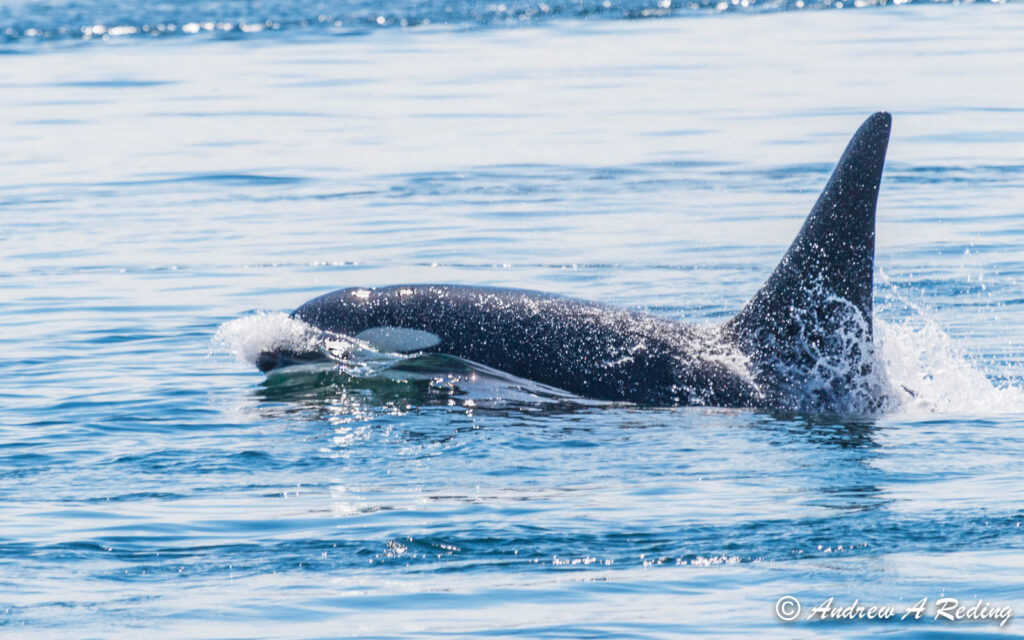
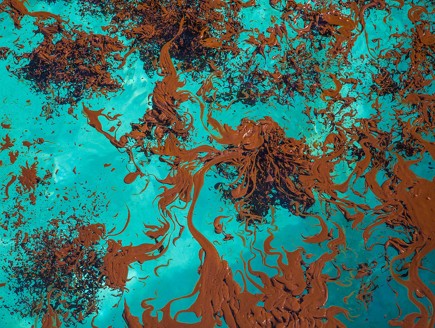
It’s Orca Action Month and your action is needed to help protect the critically endangered Southern Resident killer whales from additional underwater noise, disturbance, and an increased risk of ship strikes and oil spills.
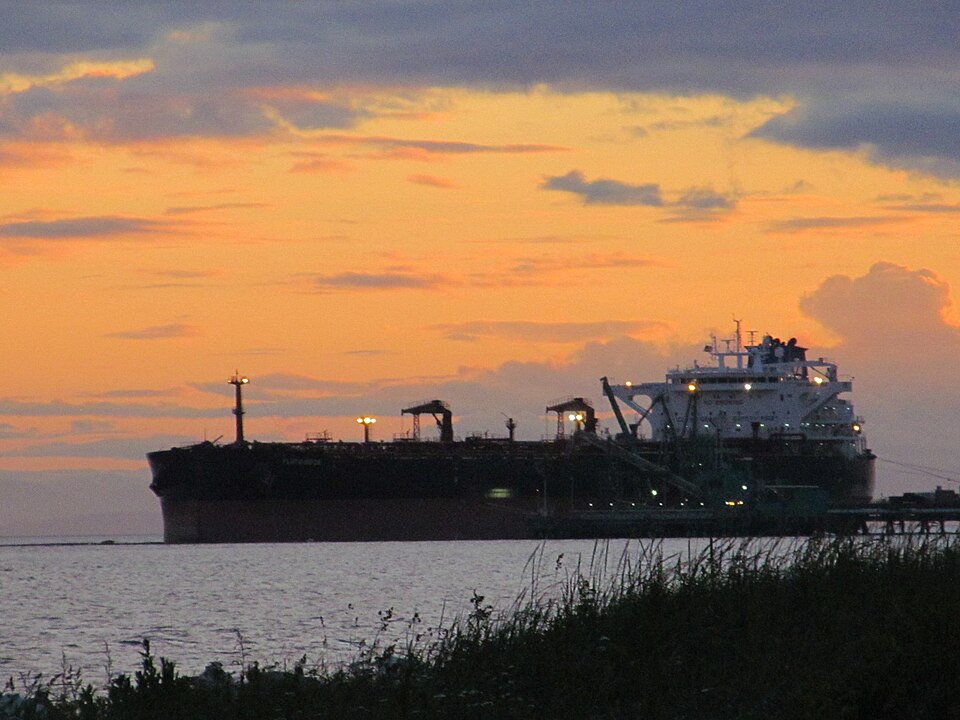
A coalition of six environmental organizations has taken the next step to ensure those voices are heard. The coalition filed a formal legal appeal of Whatcom County’s decision to permit 33 major terminal expansion projects, 31 of which were completed several years ago without permits and without a thorough environmental review.
By Friends’ Volunteer Media Ambassador, Julia Yarbough Spend one afternoon with Friends of the San Juans’ Executive Director, Eva Schulte, and you will be enthusiastically pulled into a ‘sea’ of information about the San Juan Islands, the Salish Sea, and the numerous arms of education and advocacy efforts that are underway to ‘Protect this Place.’ Eva’s
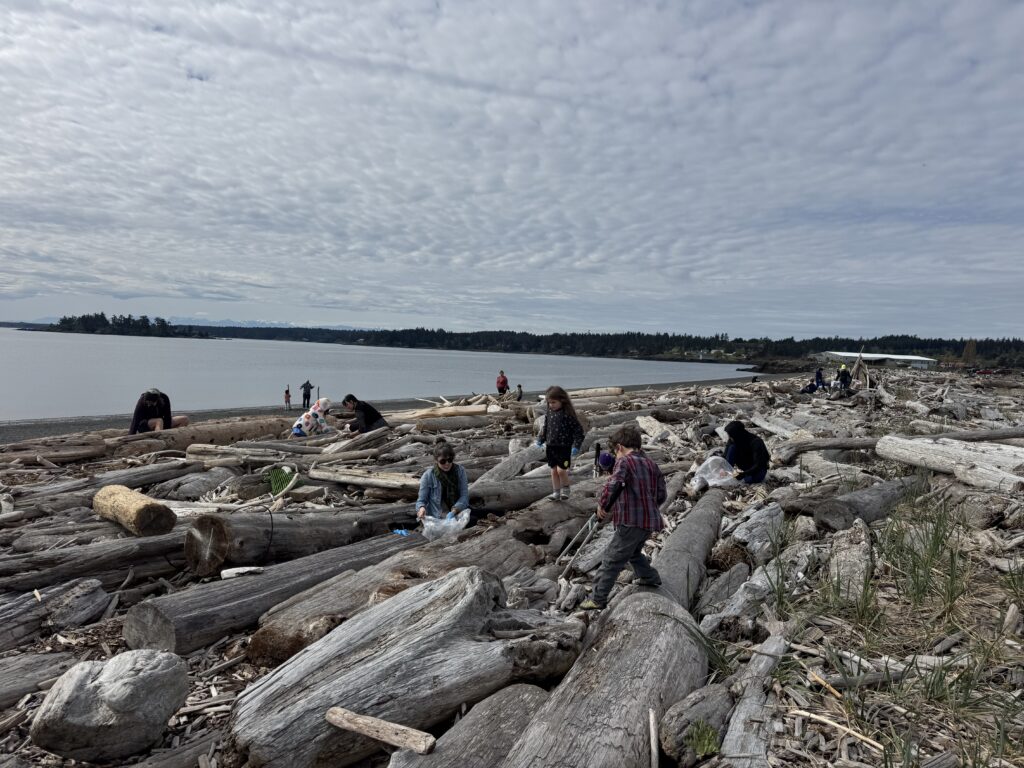
If you’ve walked a beach in the San Juan Islands recently, you may have seen small, round plastic pellets mixed into the sand. These are nurdles—the raw material used to manufacture nearly all plastic products. About the size of a lentil, nurdles are easy to overlook, but they represent one of the most widespread and
Lovel Pratt, Marine Protection and Policy Director at Friends, won the first Conservation Partnership Award given by our partner organization, Evergreen Islands! This award recognizes an individual currently working in environmental advocacy, who embodies the importance of partnerships and our collective voice. Evergreen Islands and Friends recognize that together, we expand our effectiveness. This achievement
Reflections from media Ambassador Julia Yarbough There are no accidents. Everyone comes into your life for a reason. Everything happens for a reason. Quite often we do not recognize the significance of events or chance meetings until years later. On a cool but sunny afternoon in July 2009, I walked a trail through a beautiful outdoor space
A coalition of six environmental organizations has taken the next step to ensure those voices are heard. The coalition filed a formal legal appeal of Whatcom County’s decision to permit 33 major terminal expansion projects, 31 of which were completed several years ago without permits and without a thorough environmental review.