

The Northwest Power and Conservation Council (NPCC) is updating its five-year Fish and Wildlife Program – a regional plan for mitigating harm to endangered native fish affected by hydropower operations on the Columbia and Snake rivers. Public comments are being accepted on the draft plan through March 2nd.
In 2025, the Trump Administration ended the Resilient Columbia Basin Agreement by issuing a Presidential Memorandum that abruptly withdrew federal support for the restoration plan and rescinded a previous Presidential Memorandum pledging a sustained national effort to recover native fish populations throughout the Columbia Basin on which Tribal Nations depend.
With federal commitments abandoned last year and continued efforts to weaken the Endangered Species Act , this draft Fish and Wildlife Program is the best opportunity to mitigate harm to imperiled salmon and steelhead from Columbia and Snake River dam operations and ensure future energy planning prioritizes their recovery.
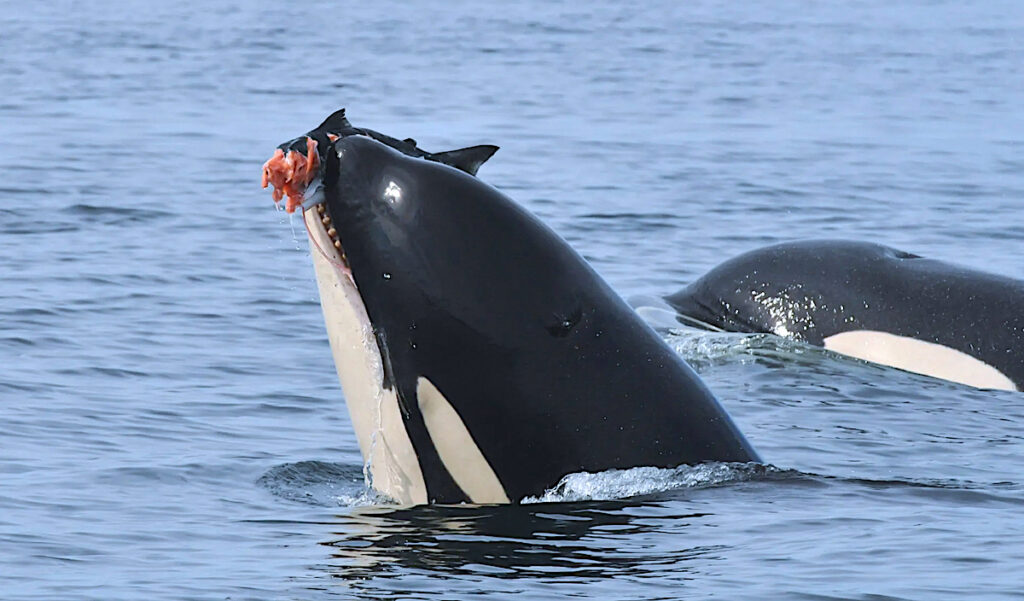
Public comments are needed to ensure that the final Fish and Wildlife Plan adopts the key recommendations of the region’s state and Tribal fishery managers to restore abundant fish populations, which supports the recovery of Southern Resident killer whales.
SUBMIT YOUR COMMENT TODAY to help ensure that the final plan:
- Includes elevated “spill” over the dams through August 31 to help protect outmigrating juvenile salmon and steelhead.
- Emphasizes holding Bonneville Power Administration accountable to its obligation to protect and enhance all fisheries impacted by the hydro system.
- Acknowledges Lower Snake River dam breaching as a necessary measure.
Suggested Comments
The 2026 Fish and Wildlife Program must include the full range of robust, actionable, and accountable measures necessary to achieve the Council’s legal obligations in the next 5-10 years, and all measures must be designed to achieve the interim goal of 5 million adult salmon and steelhead returning annually to the Columbia Basin. Restoring abundant fish populations is critical for the recovery of the Southern Resident killer whale population.
- The plan should include elevated levels of spill through August 31st as a priority hydropower operations measure.
Wild juvenile salmon and steelhead that outmigrate throughout August make up a disproportionately large share of the wild adults that return to the Columbia and Snake rivers. Increased spill will help protect the genetic diversity of wild and natural stocks and allow the generational population growth that is necessary to recover healthy and abundant fisheries.
This measure has been recommended by State and Tribal fish managers throughout the region, to whom the Council must pay deference as required by the Northwest Power Act.
2. BPA must be accountable to Program goals.
As stated in draft Program, the Council should ensure all parties approach the development and implementation of the Program goals and objectives with a “spirit of collaboration and mutual accountability” – including Bonneville Power Administration (BPA), who must be required to uphold Tribal Treaty Rights, fully implement its obligation to protect and enhance all fisheries impacted by the hydro system, and effectively achieve the measures through a whole-of-government approach.
3. The plan should acknowledge Lower Snake River dam removal as a necessary measure.
Established science clearly demonstrates that removing the Lower Snake River dams is a necessary action to achieve the Council’s 5 million fish goal and will have the single largest impact on the recovery of salmon and steelhead stocks in the Columbia and Snake rivers.
The Ninth Energy Plan should include an analysis of a Lower Snake River dam breach scenario as part of comprehensive and responsible regional energy planning for the next 20 years. Omitting it would needlessly restrict potential solutions and leave the Council less prepared in the event of a breach decision in Congress.
4. The Fish and Wildlife Program and Ninth Power Plan should ensure a path towards affordable, reliable, and new clean energy development- that also protects and restores harvestable and abundant salmon.
Instead of deferring some of the most important fish recovery measures to other processes that have failed, as previous plans have done, the Council should adopt all of the hydropower operations measures recommended by the State and Tribal fisheries managers, as well as incorporate and fully address those measures in the Ninth Power Plan – as directed by the Northwest Power Act.
5. The plan should increase funding and strengthen support for the Fish Passage Center, including the Comparative Survival Study and Smolt Monitoring Program.
The Center’s programs provide critical data to determine whether Program measures are actually achieving desired results.
Additionally, the Council should make the Fish Passage Center more directly accountable to State and Tribal fish and wildlife agencies, not only through “consultation” but through a management board to oversee statements of work and budgets.
Please join us in urging the NPCC to chart a course towards affordable, efficient, and reliable energy that also protects and restores abundant fish populations.
Resources
- Friends’ Comment Letter
- Talking Points to Testify Before the NPCC at the Public Hearings
- Background Information on NPCC and its Fish and Wildlife Program from Save Our wild Salmon Coalition