
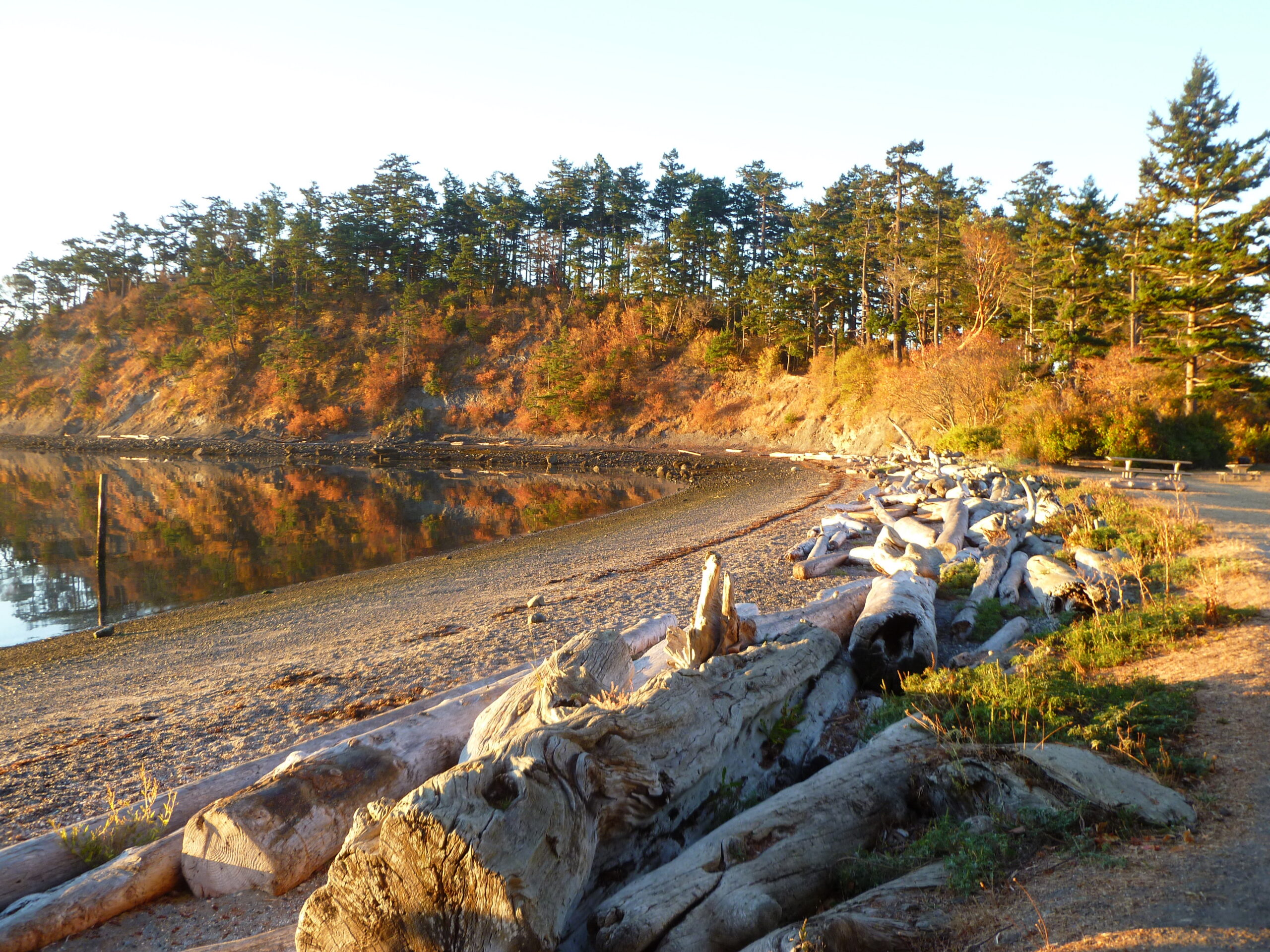
San Juan County is currently reviewing and revising its Critical Areas Ordinance (CAO), the set of rules and guidelines that protect wetlands, wildlife habitat, freshwater lakes and streams, groundwater recharge areas, and marine shorelines across the islands.
As Friends has done during past CAO updates, we are closely reviewing the proposed changes and providing comments on draft language. Our goal is to ensure that the updated ordinance effectively protects the natural systems that support healthy island communities. Specifically, Friends is advocating for three key outcomes in the update:
- Best available science is applied.
- Outdated or ineffective sections of code are improved.
- Development does not harm water quality, groundwater recharge, wetlands, or fish and wildlife habitat.
Why the Update Matters
The current ordinance is overly complex, expensive, and difficult to implement. Most importantly, it does not always limit impacts to critical areas as intended.
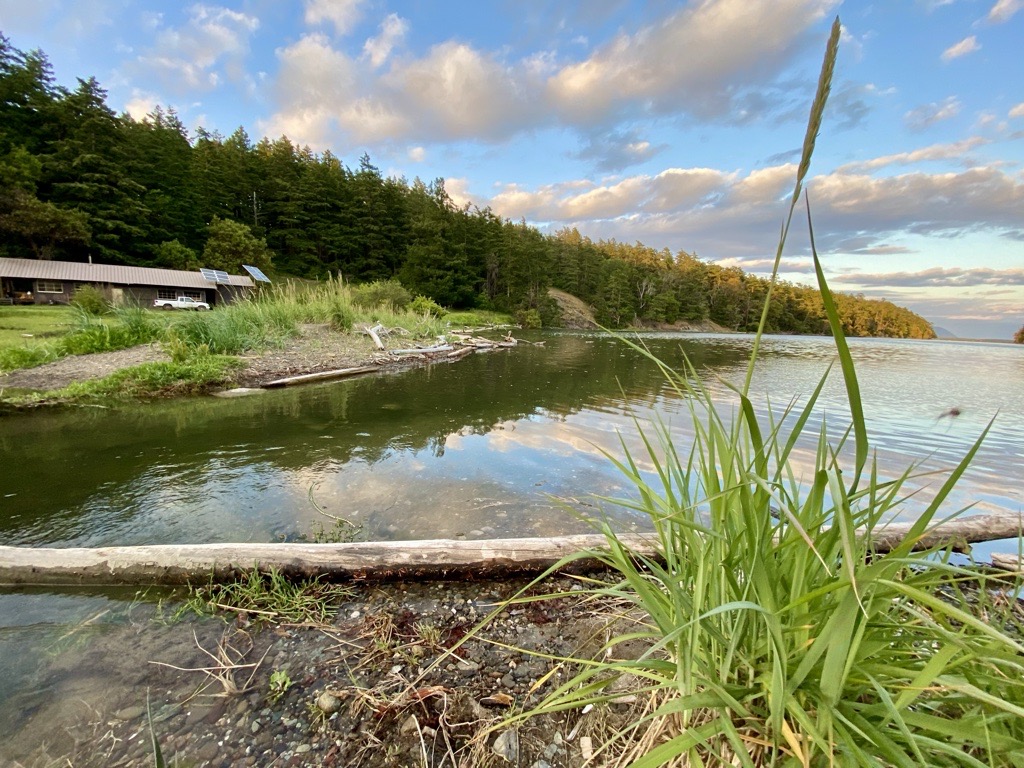
For example, buffers—the primary tool used to protect sensitive ecosystems—are based on outdated science drawn from other regions. As a result, many buffers are smaller than what current science recommends. In addition, a wide range of activities and structures are currently allowed or exempt within these already limited buffers, further reducing their ability to protect wetlands, streams, and wildlife habitat.
Updating the ordinance is an opportunity to align county regulations with current science and ensure they work as intended.
Protecting Shorelines and Salmon Habitat
Washington’s Growth Management Act requires counties to give special consideration to marine shorelines because of the critical role they play in supporting salmon.
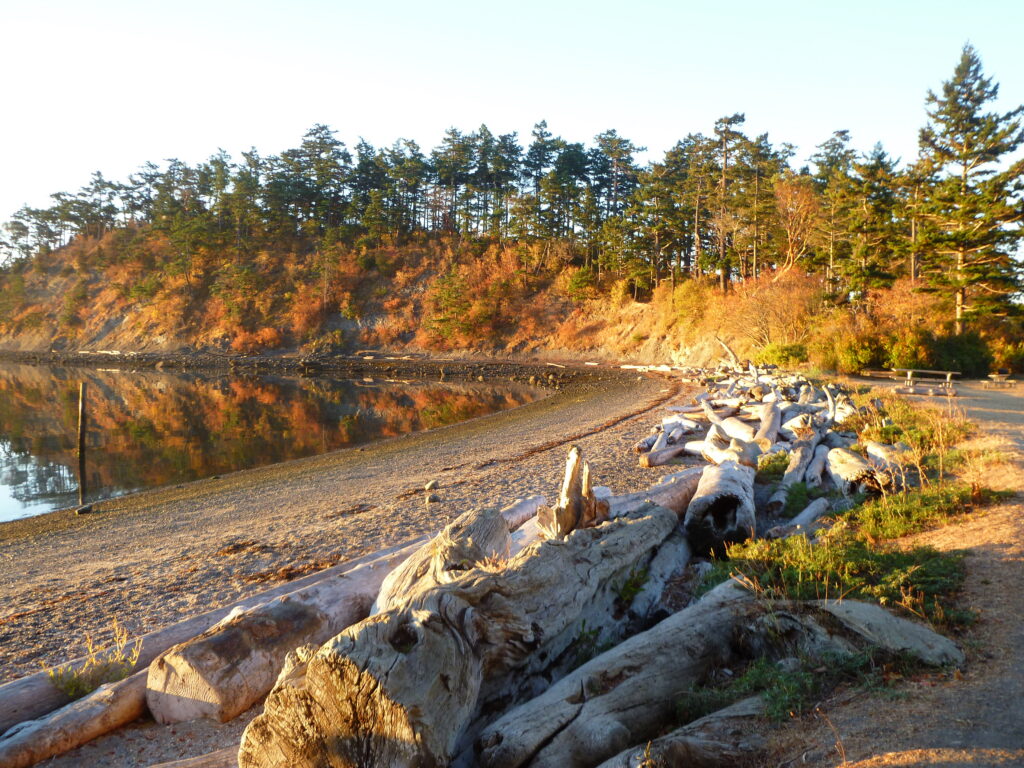
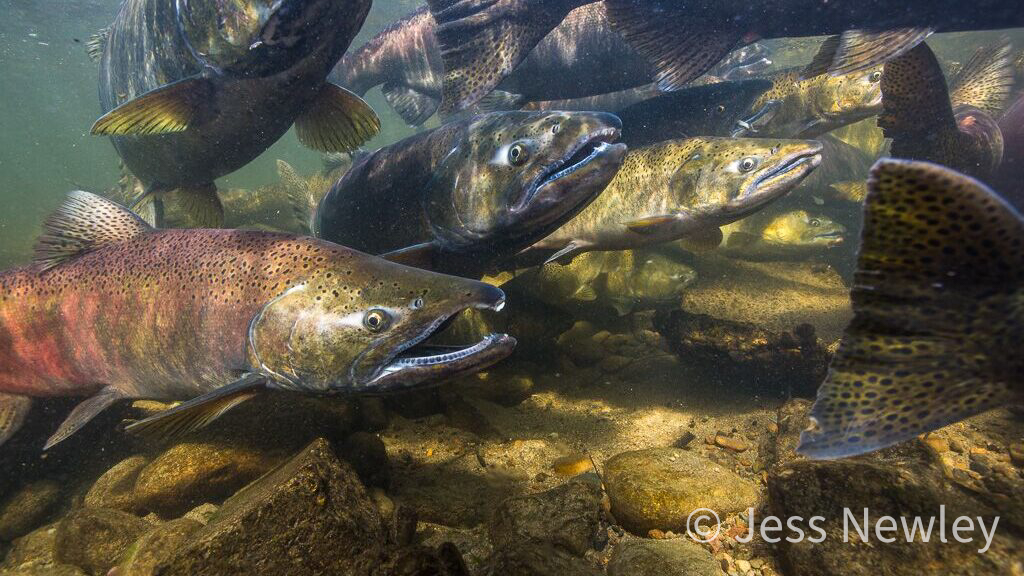
San Juan County has more than 400 miles of marine shoreline. These areas provide important rearing, feeding, and refuge habitat for juvenile salmon migrating from rivers throughout Puget Sound and the southern Salish Sea.
Healthy salmon populations are also essential for the survival of the critically endangered Southern Resident killer whales, which depend on salmon as their primary food source.
Friends’ Priorities for the CAO Update
Science is foundational
State law requires jurisdictions to use the best available science when developing regulations that protect critical areas. Ensuring that current science informs the ordinance is essential to creating protections that actually work.
Let buffers be buffers
Buffers exist to protect wetlands, streams, and wildlife habitat from nearby development. Extensive exemptions and allowed activities within buffers weaken their effectiveness and undermine the purpose of the code.
Shoreline protection is paramount
San Juan County’s 400+ miles of shoreline define the islands and support critical ecological functions, including salmon habitat and endangered orca recovery. Strong shoreline protections are essential for the long-term health of marine ecosystems.
How You Can Get Involved
Public input is an important part of the CAO update process, and we encourage community members to participate.
Share your perspective with decision-makers
Let Planning Commissioners and County Council Members know that protecting critical areas is a priority for the health of island resources and communities. You can submit feedback through the county’s online comment form.
Attend the Planning Commission meeting
The Planning Commission will take its first look at the draft ordinance language on Friday, March 20. You can view the meeting agenda, briefing materials, and access the meeting remotely here.
Stay informed
Visit the county’s CAO update webpage to learn more about the process, review previous public comments, and read Friends’ comment letter on best available science. You can also subscribe there to receive project updates.
Take Action
Protecting critical areas protects the water, wildlife, and landscapes that make the San Juan Islands unique. Your voice can help ensure the updated ordinance reflects strong science and safeguards these resources for future generations.
Sign up for Friends’ action alerts to stay informed about opportunities to participate and make your voice heard.