The Northwest Power and Conservation Council (NPCC) is updating its five-year Fish and Wildlife Program – a regional plan for mitigating harm to endangered native fish affected by hydropower operations on the Columbia and Snake rivers. Public comments are being accepted on the draft plan through March 2nd. In 2025, the Trump Administration ended the Resilient Columbia Basin Agreement by issuing a Presidential Memorandum that abruptly withdrew federal support
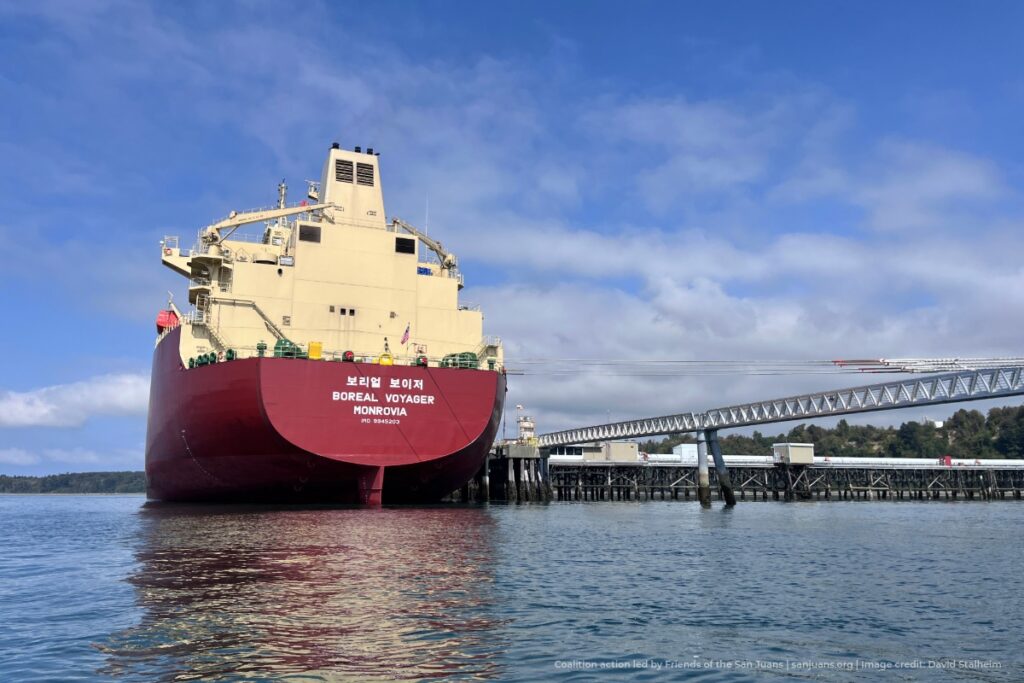
A coalition of six environmental organizations has taken the next step to ensure those voices are heard. The coalition filed a formal legal appeal of Whatcom County’s decision to permit 33 major terminal expansion projects, 31 of which were completed several years ago without permits and without a thorough environmental review.
Washington’s recycling system is not working the way it should—and our shorelines, waterways, and communities are paying the price. Each year, an estimated 3.8 billion glass, plastic, and metal bottles and cans are produced in Washington. The majority of them are not recycled. Instead, they end up in landfills, incinerators, or worse—polluting our beaches, waterways,
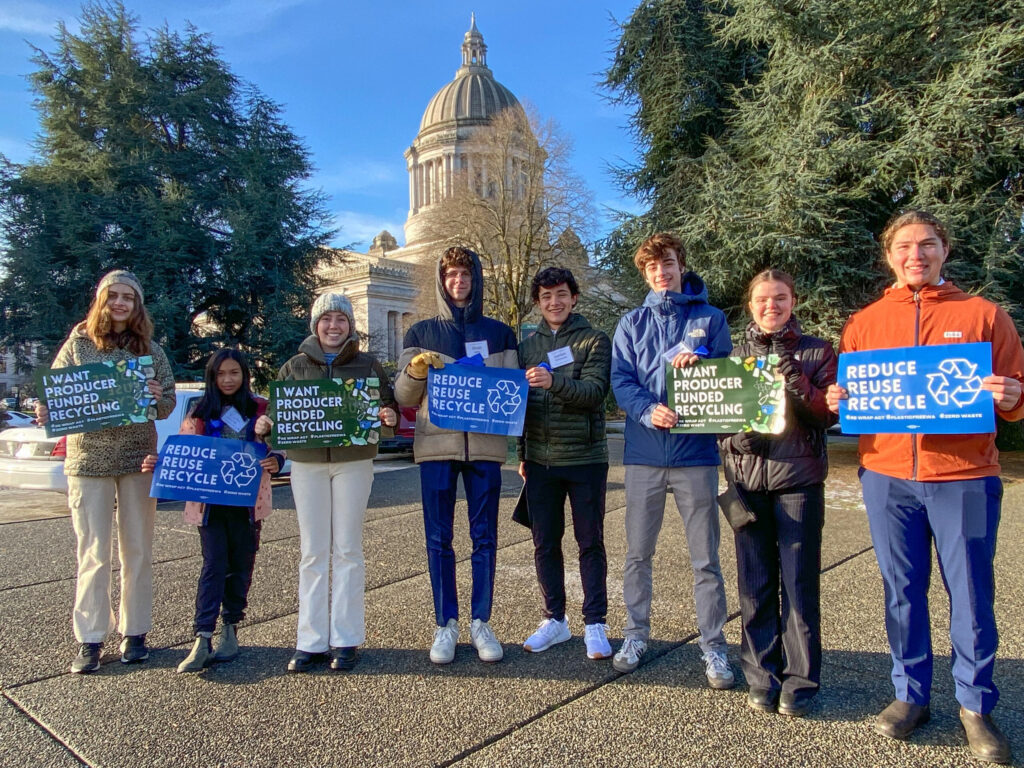
At the Youth Earth Summit, Friends of the San Juans helped twelve Friday Harbor High School Eco Club students showcase leadership, share environmental solutions, and guide a student-led session on getting involved in local policy—highlighting how youth voices are shaping the future of conservation.
San Juan County is considering designating all utility‑scale renewable energy projects — like large solar arrays, battery storage, or experimental tidal systems — as Essential Public Facilitys. While clean energy is important, this blanket classification could undermine environmental review, reduce public participation, and put sensitive lands and habitats at risk.
Housing in San Juan County is deeply tied to the health of both people and the environment. When homes are unaffordable, residents are forced into survival mode, limiting community participation and fueling cycles of inequality and environmental degradation. With nearly half of all homes sitting vacant or used seasonally, sprawl increasing, and affordability shrinking, Friends…
Known as the “Comp Plan,” the County’s Comprehensive Plan includes goals and policies to guide how our community will look in the future. This includes policies to protect our remaining forests, agricultural lands, and healthy shorelines; a blueprint for our community’s transportation needs; goals for developing housing to serve everyone in our community; and much…
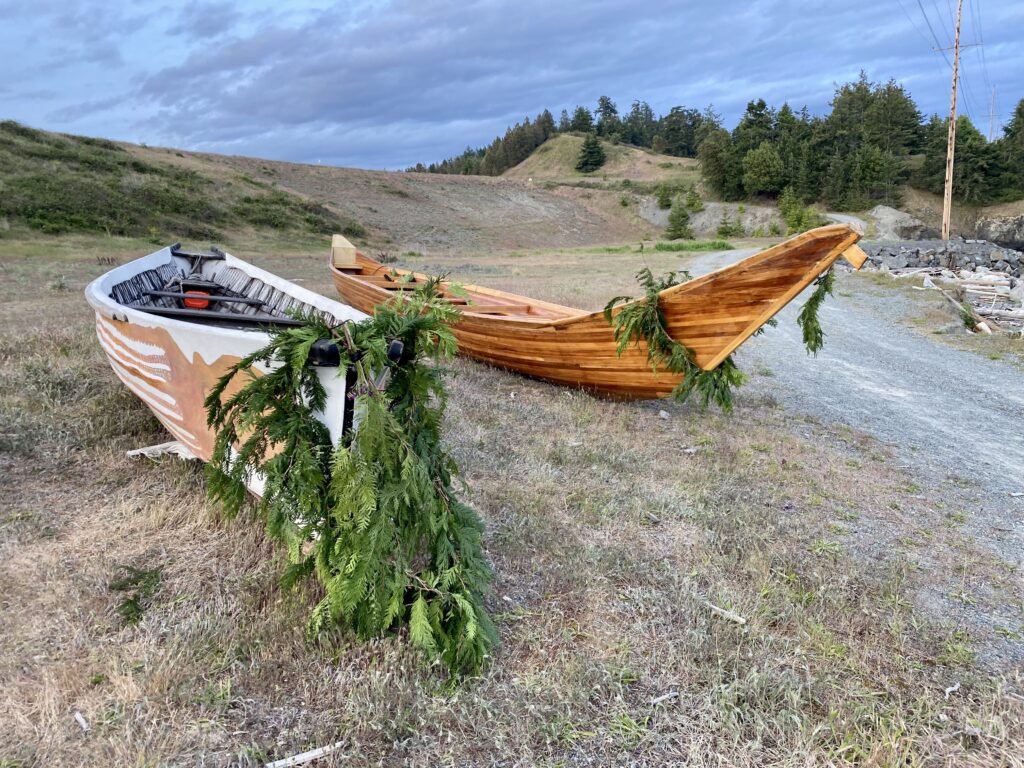
Every November, Native American Heritage Month invites us to honor the histories, modern day cultures, and ongoing leadership of Indigenous peoples across the United States. Here in the San Juan Islands and the greater Salish Sea, this month carries a particularly deep meaning. The islands are the ancestral, traditional, and contemporary homelands of multiple Coast
San Juan County’s Comprehensive Plan update is in its final stage. Friends of the San Juans highlights key issues, community feedback, and ways residents can participate to help shape the future of the islands’ growth, resources, and resilience.
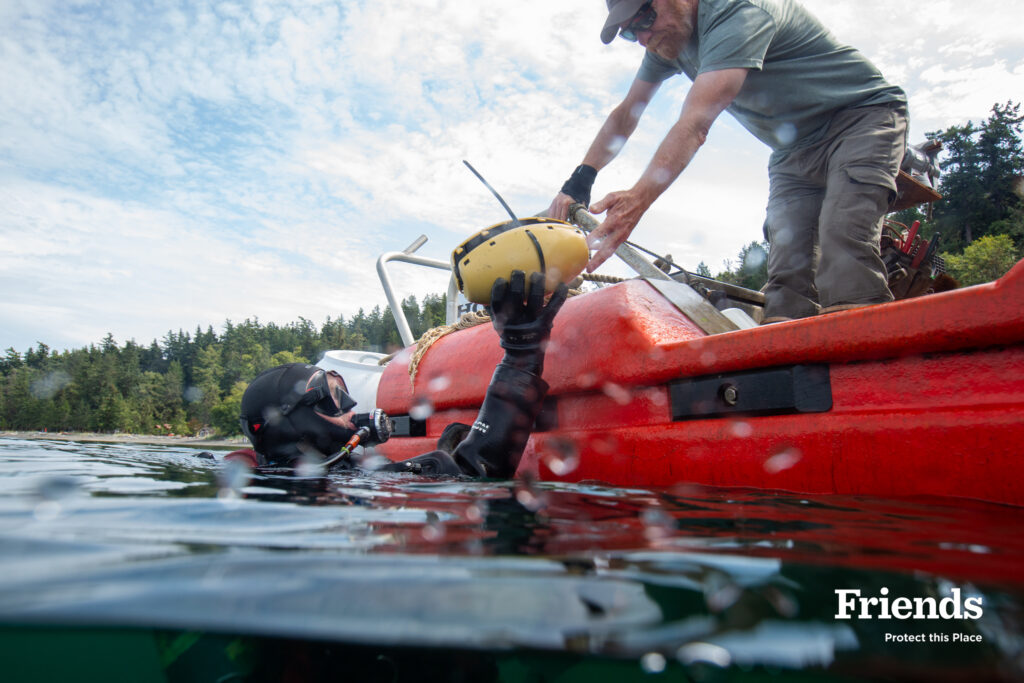
Follow along as Friends of the San Juans improves conditions for eelgrass! Eelgrass meadows are a cornerstone of the San Juan Islands’ marine ecosystem. But in many local herring spawning areas, eelgrass meadows have declined along with the herring populations that depend on it. Since Chinook salmon rely on herring as a critical food source,