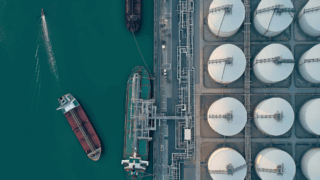
Speak up by July 31st! Help shape Washington’s oil spill response planning requirements and improve protections for Salish Sea wildlife, waters, and communities. Issue Overview Oil tanker traffic through the Salish Sea has surged since the Trans Mountain pipeline expansion was completed in May 2024. Washington State’s oil spill contingency plans need to be updated,… Read more: Oil Tanker Traffic Is Rising—Act Now to Protect Southern Resident Killer Whales from Oil Spills
The sinking of the fishing vessel Aleutian Isle and resulting oil spill near San Juan Island revealed critical gaps in oil spill response capacity. Friends of the San Juans outlines key lessons learned and actions needed to better protect the Salish Sea from future spills.
Read how Friends of the San Juans successfully challenged Phillips 66’s proposed storage tank project in court, securing stronger conditions to prevent increased vessel traffic and protect the Salish Sea and Southern Resident killer whales.
A major victory for the Salish Sea: plans to manufacture and export toxic xylene from the Anacortes refinery were withdrawn after years of community advocacy and legal action. The decision prevents increased tanker traffic and reduces risks to orcas, marine ecosystems, and shoreline communities.
A package of Washington State bills aimed at protecting endangered Southern Resident killer whales has passed the legislature. These measures address key threats—including vessel disturbance and habitat impacts—to support orca recovery in the Salish Sea.
The Protect What You Love campaign highlights simple actions people can take to safeguard the San Juan Islands and Salish Sea—from protecting marine habitats to supporting wildlife like salmon and endangered Southern Resident orcas. It encourages community stewardship to help preserve the region’s ecosystems for future generations.
A major salmon spill in the Salish Sea released up to 305,000 Atlantic salmon after a fish farm near Cypress Island collapsed. Friends of the San Juans calls on the public to urge stronger protections against risky net-pen fish farming that can harm wild salmon and marine ecosystems.

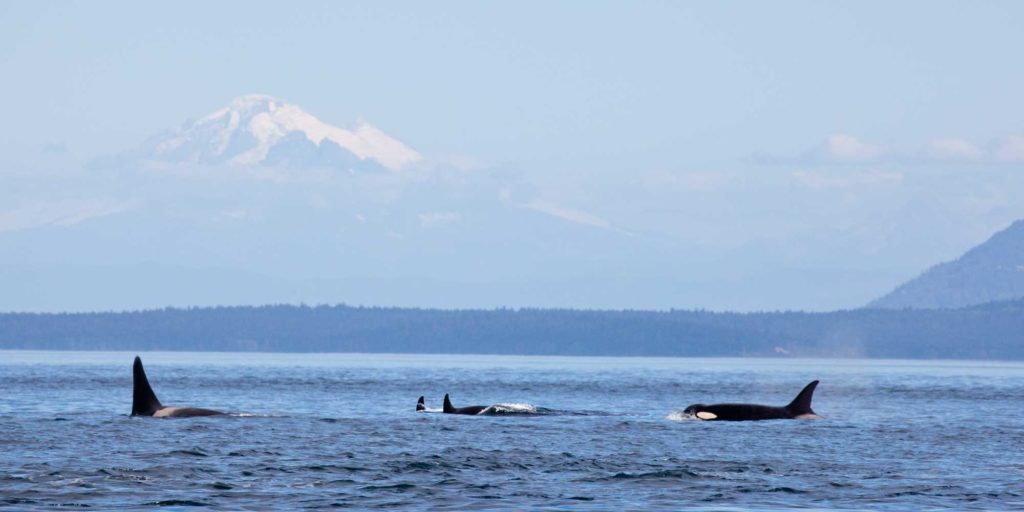
 Speak up by July 31st! Help shape Washington’s oil spill response planning requirements and improve protections for Salish Sea wildlife, waters, and communities. Issue Overview Oil tanker traffic through the Salish Sea has surged since the Trans Mountain pipeline expansion was completed in May 2024. Washington State’s oil spill contingency plans need to be updated,… Read more: Oil Tanker Traffic Is Rising—Act Now to Protect Southern Resident Killer Whales from Oil Spills