
Permit for Expansions at the AltaGas ALA Energy Ferndale Terminal is Denied as a Result of Friends’ Appeal
“Our team and partners worked day and night on this appeal because of the long-term risks this illegal expansion poses to the Salish Sea and surrounding communities,” said Eva Schulte, Friends of the San Juans’ Executive Director, “We are pleased the Whatcom County Hearing Examiner is requiring further study, and hope the County will do more to prevent fossil fuel expansion at the terminal until adverse consequences to human, water, and endangered Southern Resident killer whales are understood and addressed.”
The Whatcom County Hearing Examiner issued a decision on March 31, 2026 rejecting the permit for AltaGas’ 31 prior unpermitted and 2 new fossil fuel projects at the Ferndale Terminal on Cherry Point. The Hearing Examiner is requiring Whatcom County to conduct an independent capacity analysis of the terminal expansion and redo its environmental analysis.
Friends led a coalition of six environmental organizations, represented by Earthjustice, in appealing a Conditional Use Permit and associated Mitigated Determination of Nonsignificance (MDNS) that Whatcom County issued for the fossil fuel terminal. Under the State Environmental Policy Act (SEPA), an MDNS is given when the project(s) are determined not to cause significant environmental harm, so long as the conditions outlined in the MDNS bring impacts below a “significance threshold” set by the regulating agency, in this case, Whatcom County.
After four years of monitoring the unpermitted expansions and engaging in the permitting process, Friends, in partnership with our coalition, appealed this decision, arguing that the expansion projects’ risks and impacts were not fully addressed and that the MDNS exposes communities and endangered species to increased safety risks and environmental harm while undermining efforts to transition away from fossil fuels.
Additional Information
- Earthjustice Press Release Announcing the Decision
- Whatcom County Hearing Examiner’s Decision and Legal Review
- Background Information
- Appeal Hearing Exhibits and Public Testimony
- Appellants’ Opening Brief
- Appellants’ Expert and Fact Testimonies on:
- SEPA Environmental Checklist (David Stalheim, Retired Planner and Whatcom Environmental Council Board)
- Increased Capacity and Throughput at the Terminal (Wendy Heister, Retired Chemical Engineer)
- Greenhouse Gas Emissions at the AltaGas ALA Energy Terminal (Charlie Brown, Retired Chemical Engineer)
- Increased Exports at the AltaGas ALA Energy Terminal (Zane Gustafson, Earthseed Consulting)
- The Risks of Increased Vessel Traffic at the Terminal on Southern Resident Killer Whales (Dr. Joseph Gaydos, The SeaDoc Society)
- Scrubber Discharge Impacts from Vessels Calling on the Terminal (Dr. Kirsten Kane, Friends of the San Juans)
- Friends’ Engagement in the Permitting Process and Concerns about the Mitigating Conditions (Lovel Pratt, Friends of the San Juans)
- Coalition’s Appeal to Whatcom County to Require an EIS for the Ferndale Terminal
- Whatcom County’s MDNS
- Comment Letter submitted by the Coalition to Whatcom County
- ALA Energy Ferndale Terminal’s Permit Applications to Whatcom County
- Appeal documents submitted to the Hearing Examiner
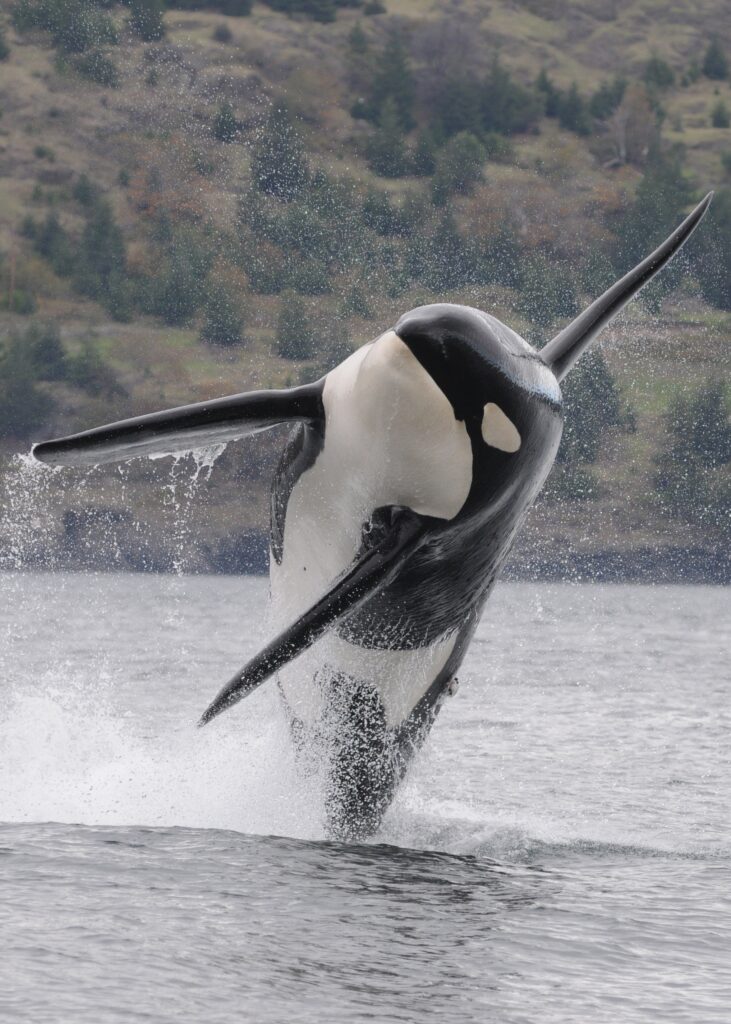
Image: A Southern Resident killer whale breaching. Source: NOAA News, May 14, 2015.