Protecting
Shoreline Ecosystems
The San Juan archipelago’s iconic shorelines are more than just scenic. They are essential to life in the Salish Sea.
While shorelines may appear timeless, they face growing pressure. Human impacts like shoreline armoring, docks, vegetation clearing, and stormwater runoff can disrupt natural processes and degrade vital habitats. Development near the shoreline can accelerate erosion and reduce the ability of beaches and bluffs to replenish naturally, threatening the very species, ecological systems, and ways of life that make the islands so extraordinary.
Friends’ Approach
Strengthening the resilience of island ecosystems and communities.
ROOTED IN SCIENCE
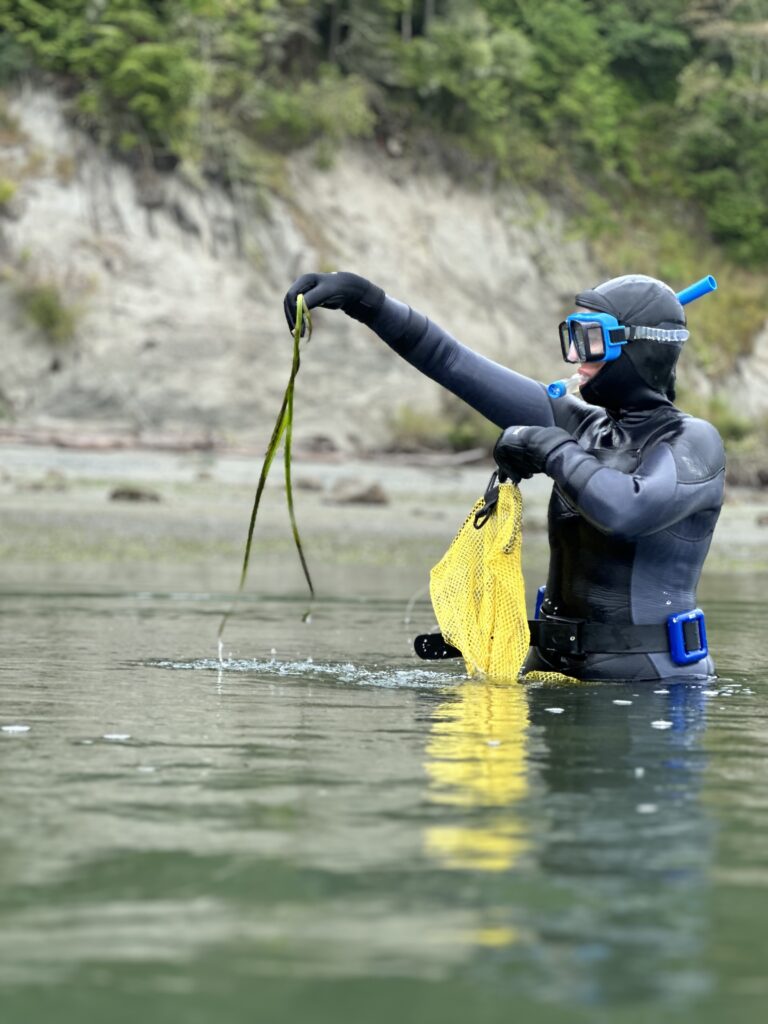
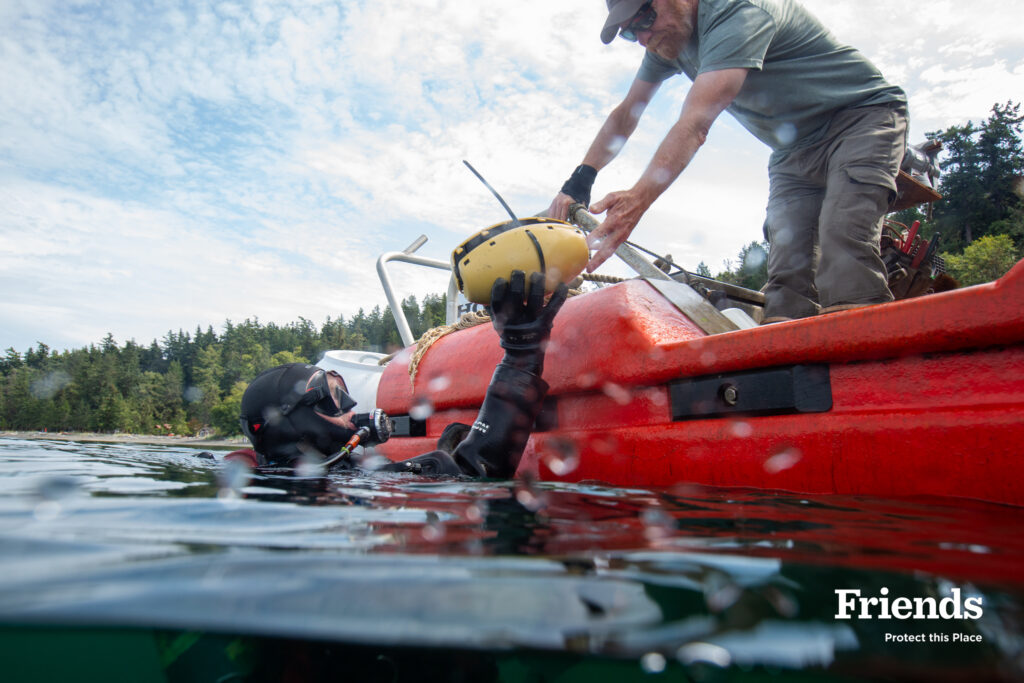
From mapping eelgrass and kelp to identifying priority habitats and feeder bluffs, our science and mapping work guides local decision-makers and landowners toward more informed, sustainable choices. Explore our research and mapping tools. LEARN MORE.
RESTORATION
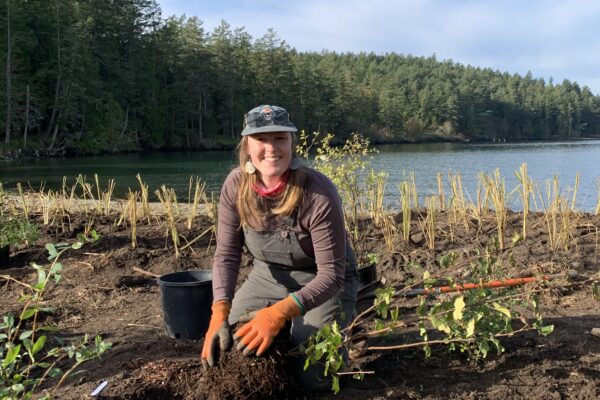
We restore habitat that sustains salmon, forage fish, and endangered orca—removing and replacing outdated infrastructure, replanting native vegetation, and improving natural processes that keep beaches, wetlands, and nearshore waters healthy. LEARN MORE.
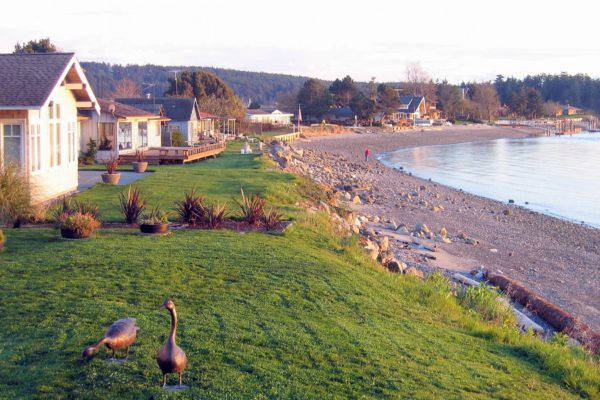
ADVANCING STEWARDSHIP
Our ShoreFriendly program helps property owners make shoreline choices that support healthy habitat with free home visits, guidance, and resources to encourage voluntary stewardship and sustainable shoreline living. LEARN MORE.
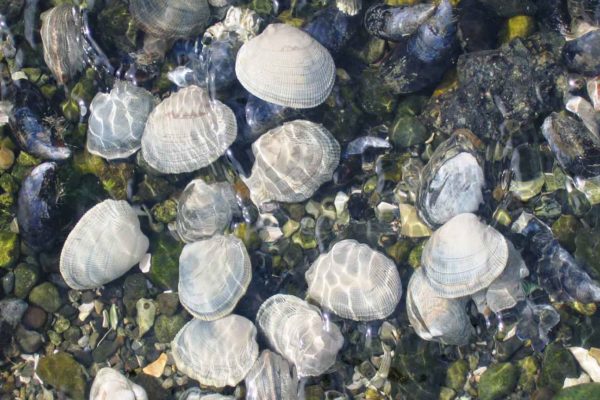
PROTECTING WATER
We advocate for clean water by promoting natural vegetation buffers, smart stormwater systems, and reduced use of harmful chemicals. Healthy shorelines filter runoff, reduce erosion, and improve conditions for shellfish, keystone species, and people alike.
What’s New in Shoreline Ecosystems?


Building Blocks of Nearshore Ecosystems
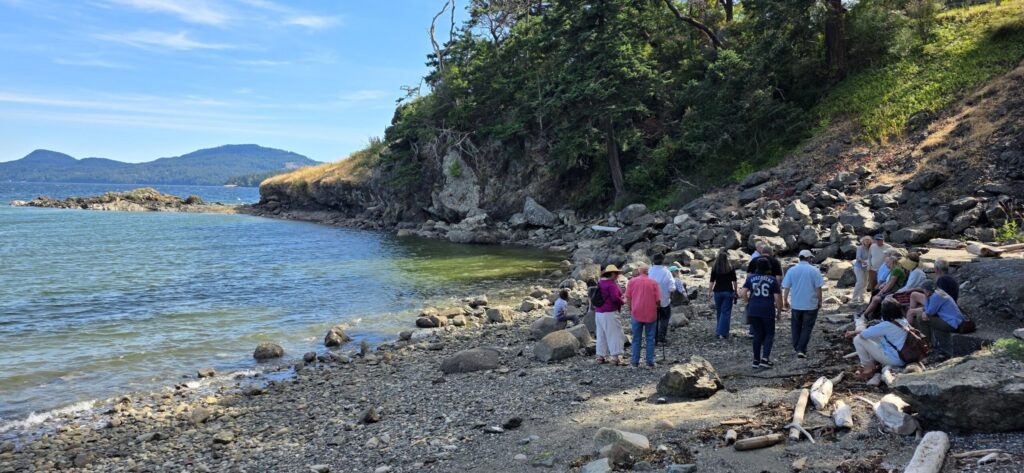
A thriving shoreline depends on a rich web of life, and the land features that support it. These ecosystems also sustain tourism, recreation, and a way of life that defines the islands. Each element plays a vital role in supporting healthy communities and coastal resilience.
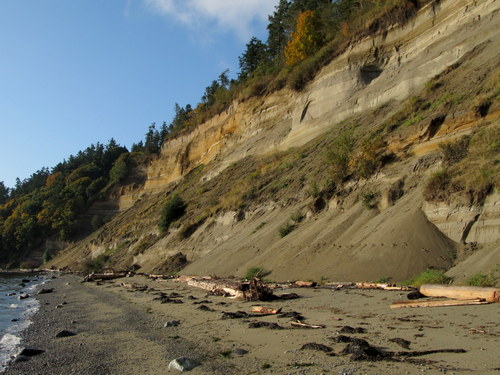
Natural Beaches
Formed by eroding coastal bluffs, natural beaches create essential spawning grounds for forage fish and buffer the impacts of waves and rising seas. They are dynamic, living edges that connect land and sea.
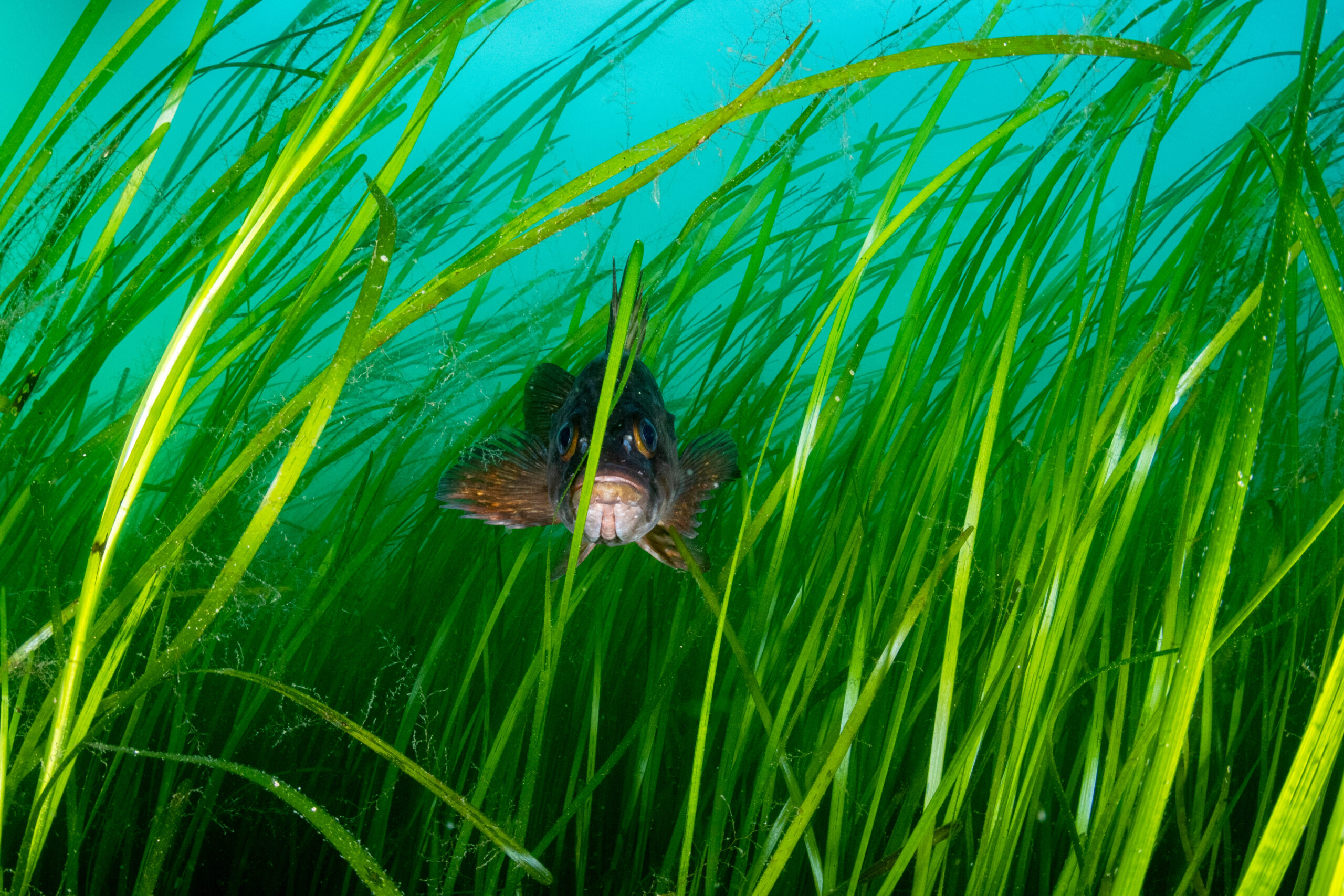
Eelgrass
Eelgrass meadows are underwater prairies that anchor our bays and sustain the nearshore food web. They shelter young salmon and crabs, stabilize sediment, and filter the water that nourishes the islands.
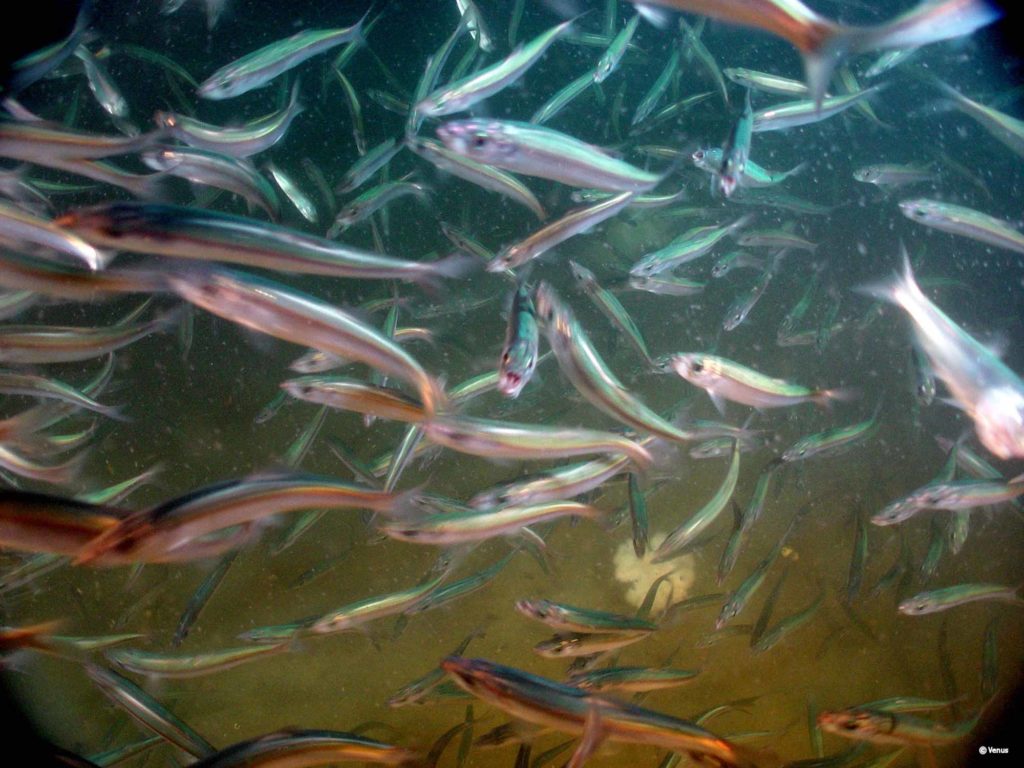
Forage Fish
Tiny but mighty, forage fish like surf smelt and sand lance feed salmon, seabirds, and marine mammals. They lay their eggs directly on beaches, linking their survival to healthy shorelines.
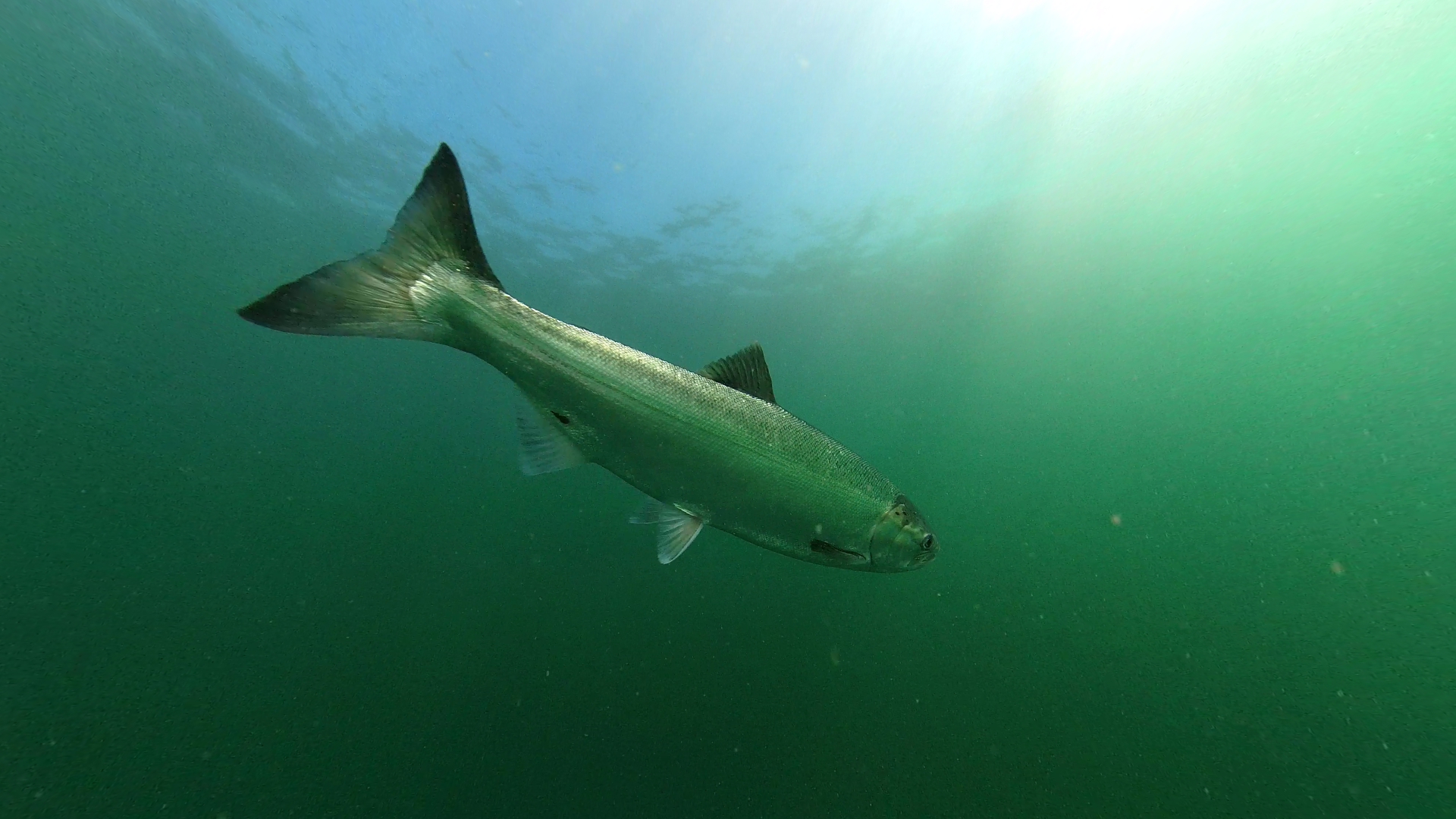
Juvenile Salmon
Young Chinook and Coho salmon depend on eelgrass, kelp, and shallow shorelines to rest, feed, and grow before their journey to the open sea—habitats that are rapidly disappearing.
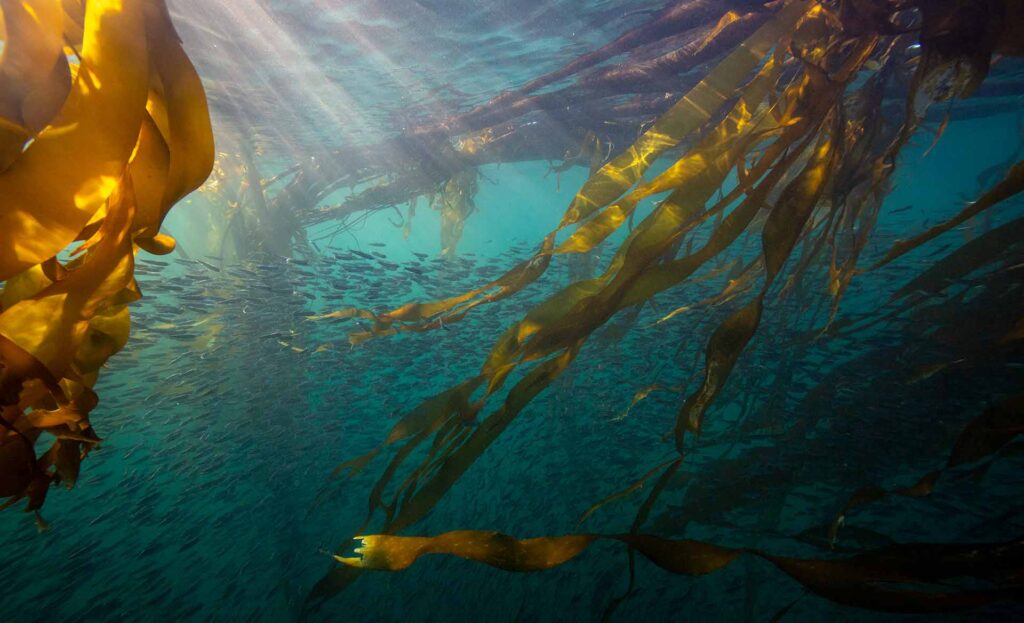
Kelp Forests
Swaying underwater forests of bull kelp shelter fish, crabs, and sea stars while storing carbon and calming waves. They are one of the most productive ecosystems on Earth.
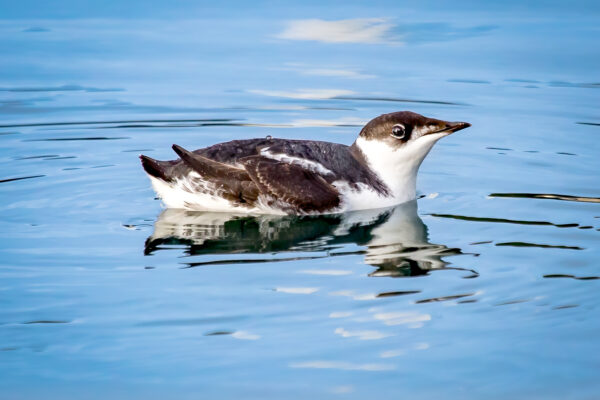
Seabirds
From marbled murrelets to cormorants, seabirds rely on abundant fish, intact kelp forests, and undisturbed nesting areas. Their presence signals the health of the Salish Sea.
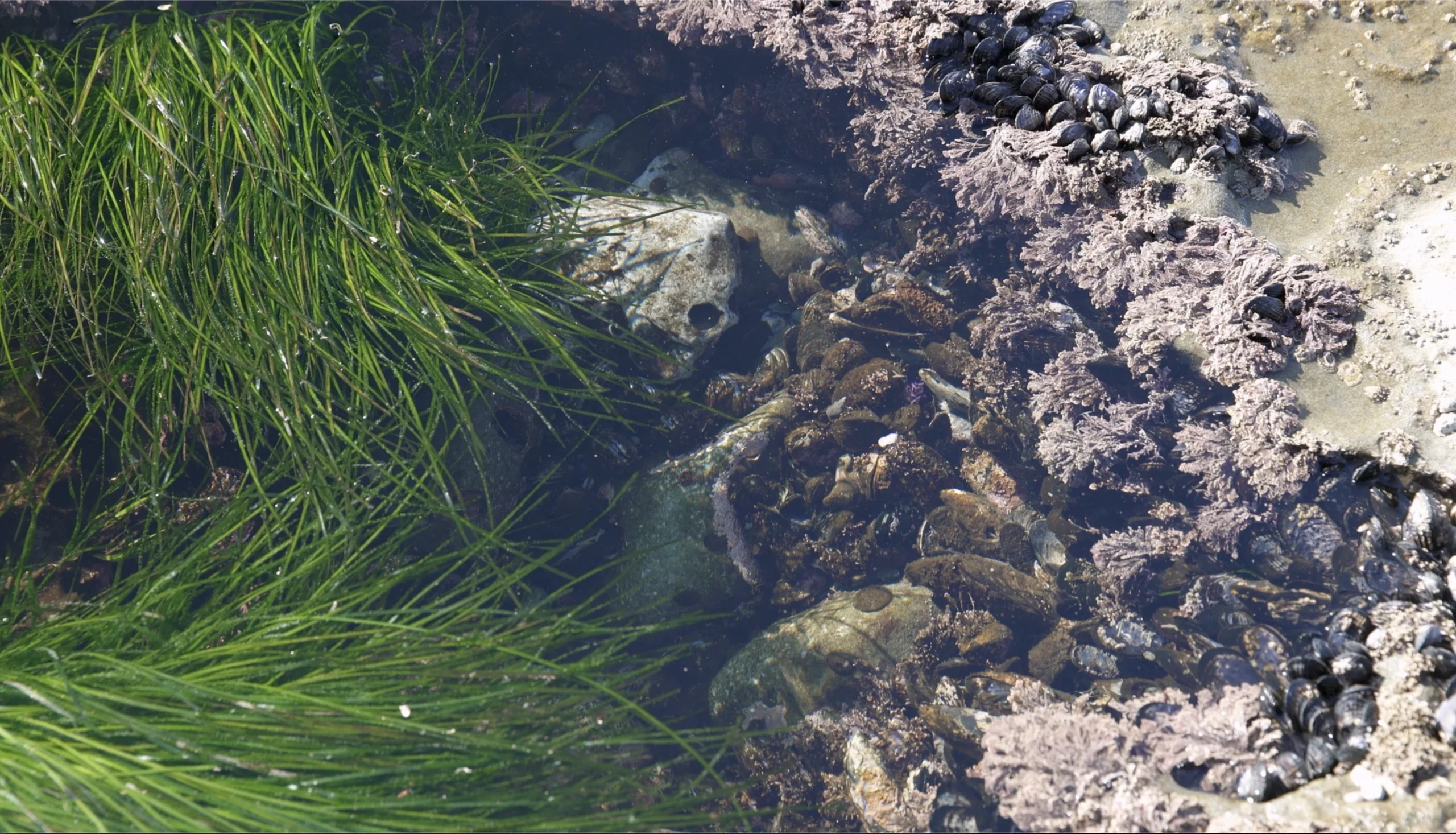
Friends science and mapping in action
Made possible through member support, grants, and countless community partnerships, explore Friends’ science and mapping efforts that are shaping a more resilient coast.
Shoreline Ecosystem Protection, Impact & Action
$ 10 M
in restoration funding leveraged for island communities, to date—creating jobs, advancing science, and strengthening long-term ecological health.
6,000 FT
of shoreline restored to date, reviving forage fish spawning habitat and eelgrass meadows that sustain salmon and endangered orca.
5,000
400 miles
Rebuilding Resilient Shores
Strengthening the resilience of shorelines for future generations, Friends advances coastal restoration through large-scale projects that restore forage fish spawning habitat, protect eelgrass meadows, and remove derelict structures from vital habitat.
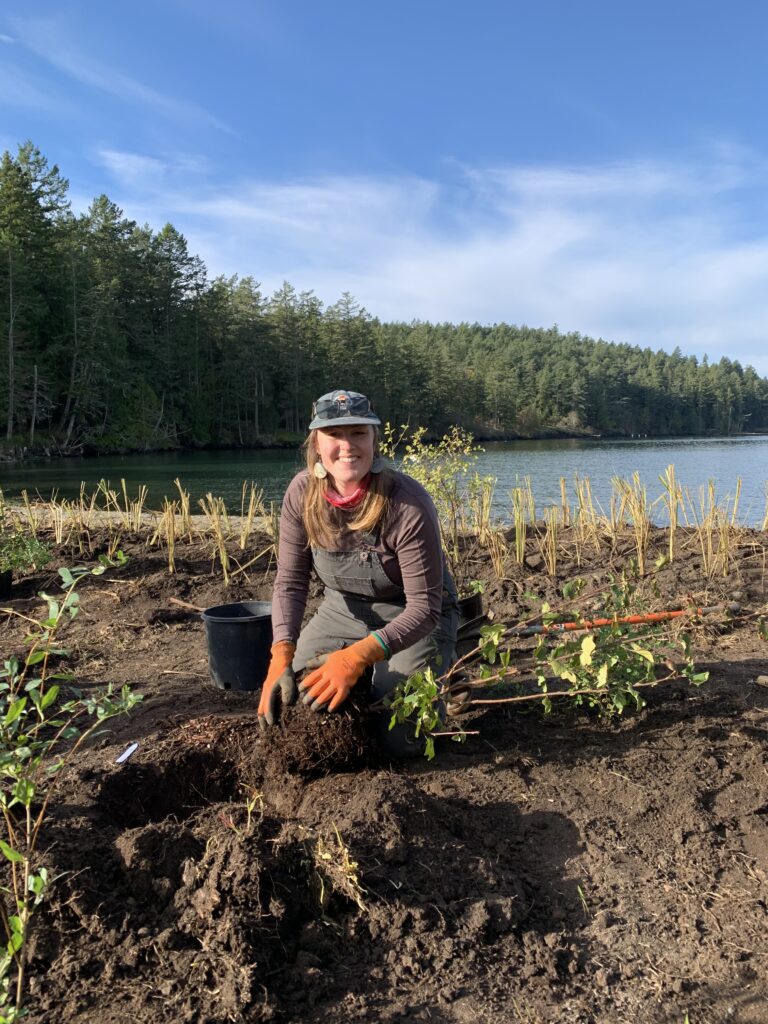
Join Friends for Community-Centered Action
Whether you live in the San Juan Islands, visit often, or help care for the Salish Sea from afar, your actions make a difference. Together, we can protect what makes this place extraordinary—shorelines, wildlife, and community.